
Can Solar Panels Help You Go ‘Off-Grid’?
Yes. Solar panels with a large battery bank, and usually a backup generator, can power a home with no utility connection.
Yes. Solar panels with a large battery bank, and usually a backup generator, can power a home with no utility connection.
They can, but shade cuts output, so it depends on how much shade and when.
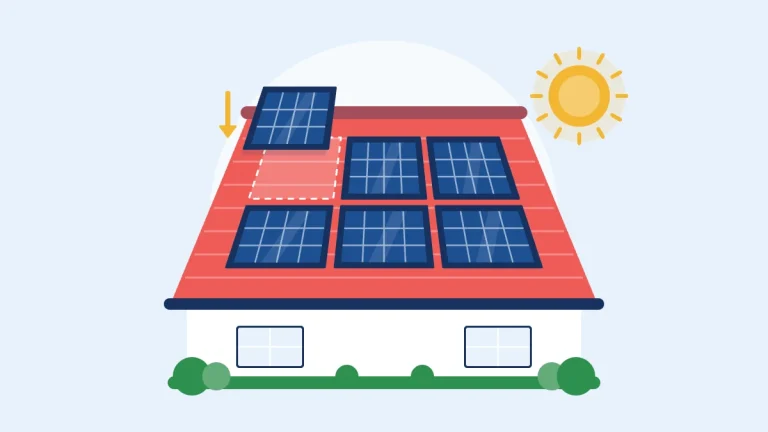
Owned solar panels usually add value. Studies have found premiums of around 4% (Zillow, 2019) or about $4 per watt of solar (Berkeley Lab, 2015).

Usually yes. Most homes need a building or electrical permit from the city or county and interconnection approval from the utility.
The main pros are lower electric bills, protection from rising rates, low emissions and long, low-maintenance life.
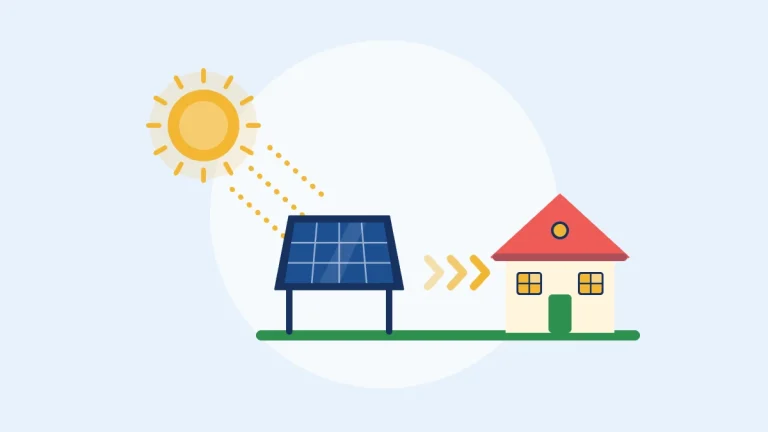
Solar energy is the light and heat from the sun.
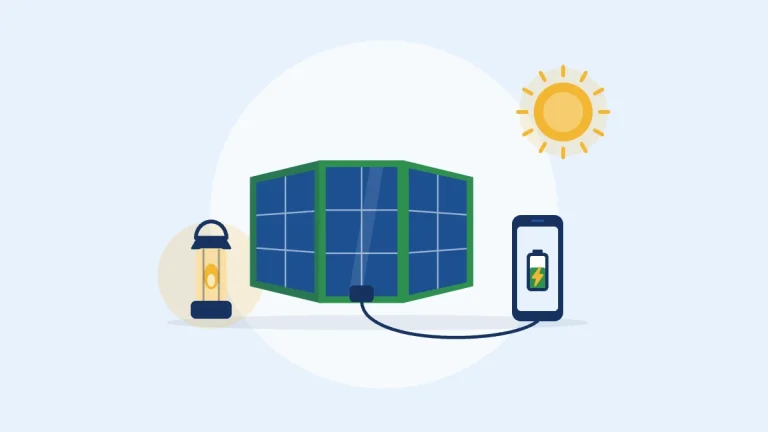
Solar energy is used to make electricity for homes, businesses and the grid, to heat water and swimming pools, to heat and light buildings through passive design, and to power everything from phones and RVs to water pumps, satellites and experimental aircraft.
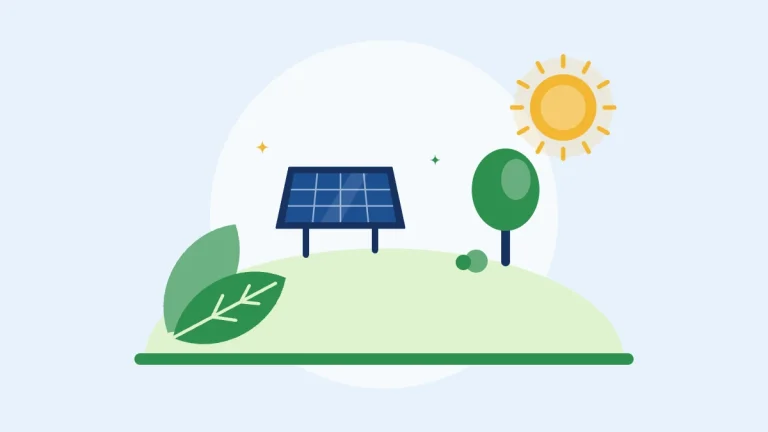
Yes. Sunlight is continuously replenished and using it doesn’t reduce what arrives tomorrow, so solar energy is fully renewable.
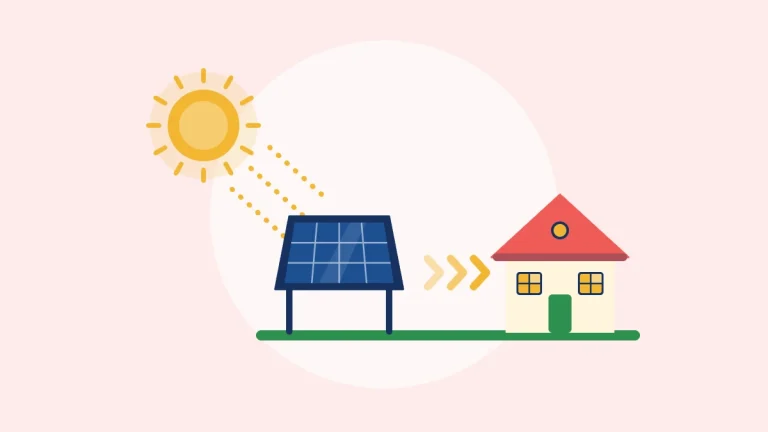
Solar panels are made of silicon cells. When sunlight hits them, it knocks electrons loose, and an electric field built into each cell pushes those electrons into a current.
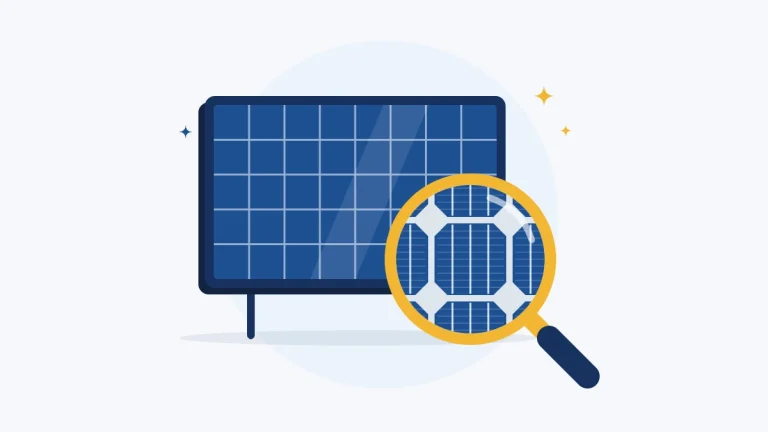
The most efficient residential panels in 2026 are about 24% to 25% efficient, led by back-contact and heterojunction designs from makers like Aiko, Recom and LONGi.