
Solar Lease vs. Loan vs. Cash: How to Pay for Solar Panels
Cash, loans, leases and PPAs compared: upfront cost, hidden fees, contract terms and what happens when you sell your home.
Cash, loans, leases and PPAs compared: upfront cost, hidden fees, contract terms and what happens when you sell your home.
The 30% federal credit is gone for home systems installed after 2025. Here is how payback changed and where solar still pays off.
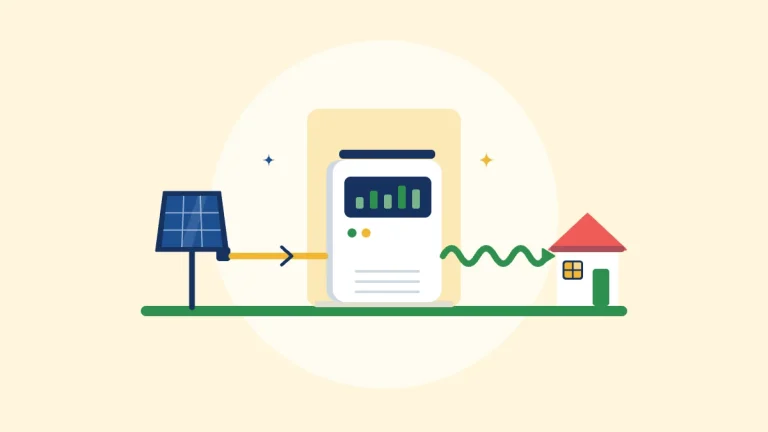
Most homes use either microinverters or a string inverter paired with power optimizers, which handle shade well and meet safety rules.
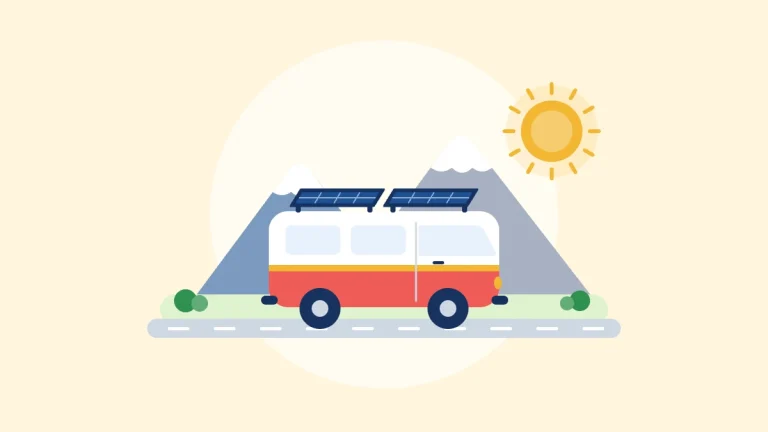
Mount the panels, then wire them to a charge controller, and the controller to your battery bank, with fuses on each run.
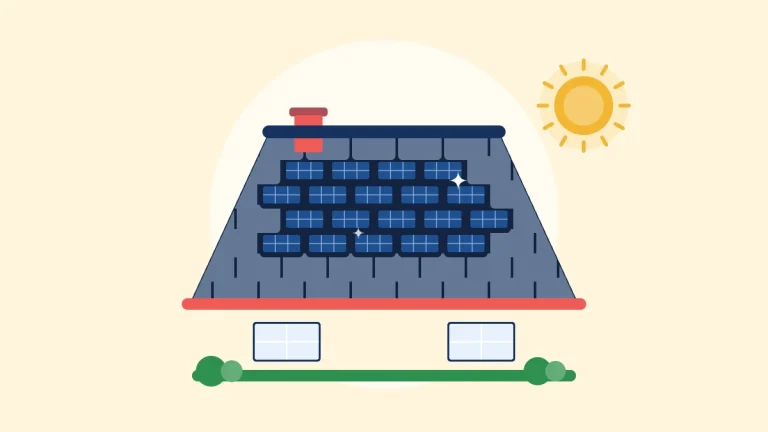
Tesla stopped selling the Solar Roof in August 2026.
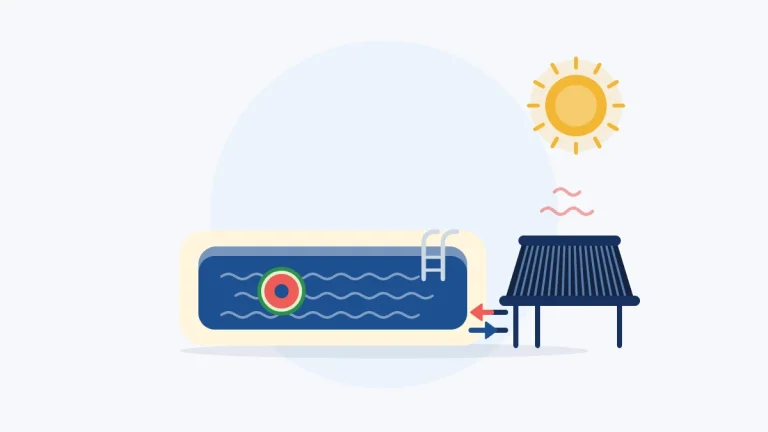
A solar pool heater typically costs $2,500 to $6,500 installed and very little to run, and the Department of Energy estimates payback in 1 to 7 years.
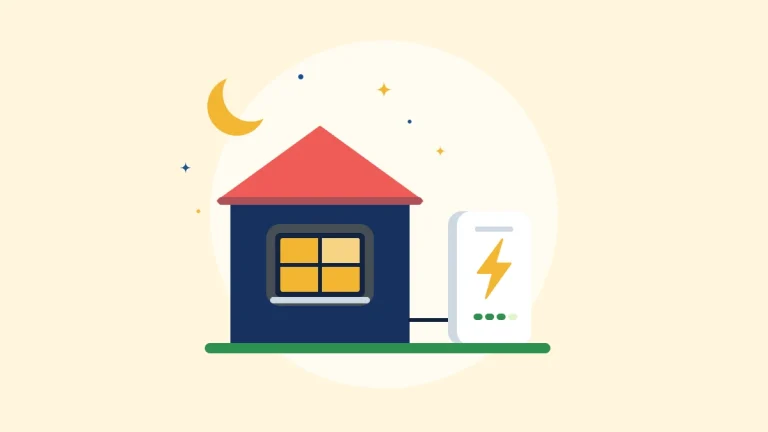
The current Tesla Powerwall 3 stores 13.5 kWh, delivers 11.5 kW of continuous power and has a solar inverter built in.
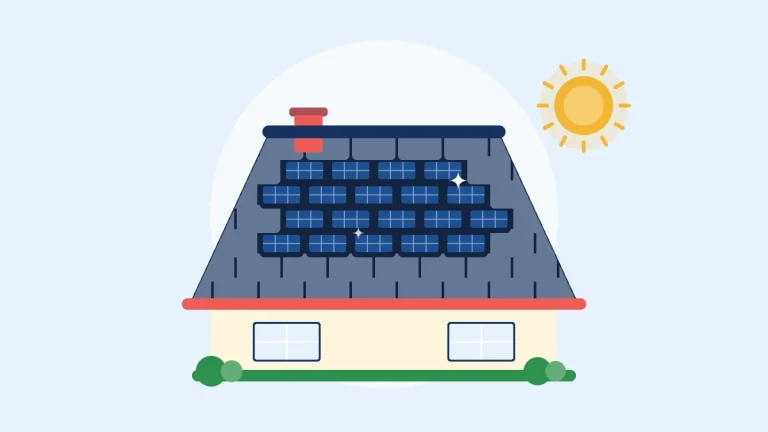
Solar shingles typically cost about $21 to $25 per square foot installed, or roughly $3.50 to $8 per watt, well above the $2.60 per watt average for regular solar panels.
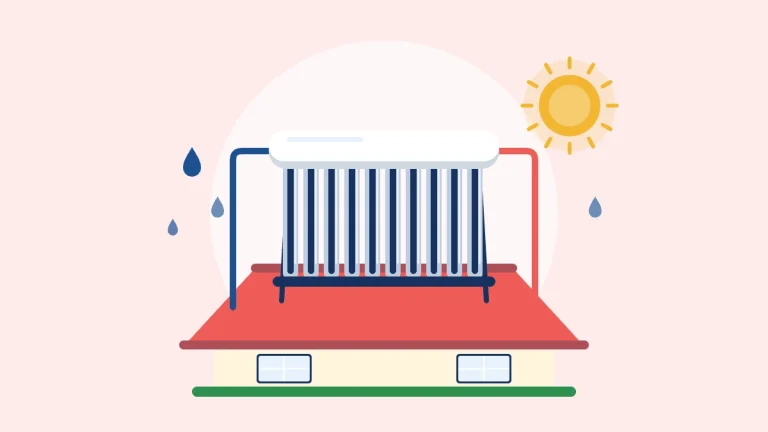
A solar water heater typically costs around $3,700 to $4,000 installed and can cut water heating bills by 50% to 80%, according to the Department of Energy.
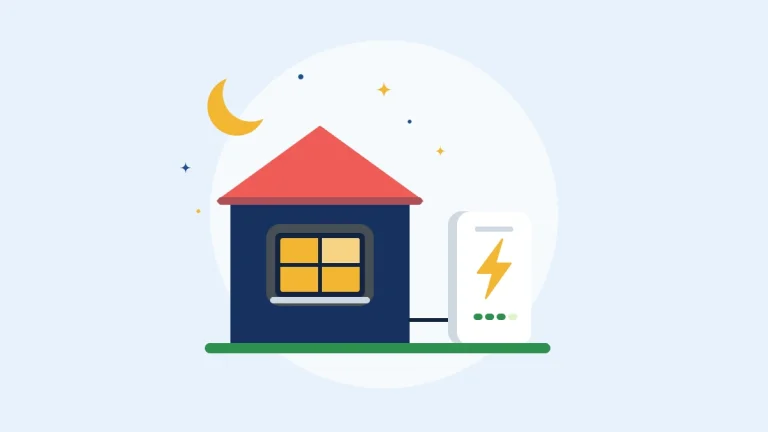
Often, but not always. A home battery (typically about $15,650 installed for 13.5 kWh) tends to pay off when your utility pays little for exported solar, uses time-of-use rates, pays you to share the battery, or when outages are common.