How Is Solar Energy Used?
Quick answer: Solar energy is used to make electricity for homes, businesses and the grid, to heat water and swimming pools, to heat and light buildings through passive design, and to power everything from phones and RVs to water pumps, satellites and experimental aircraft.
Solar energy shows up in more places than rooftop panels. Some uses turn sunlight into electricity, others simply use the sun’s heat, and a few don’t need any equipment at all. Here are the most common ways it’s used today.
Electricity for homes
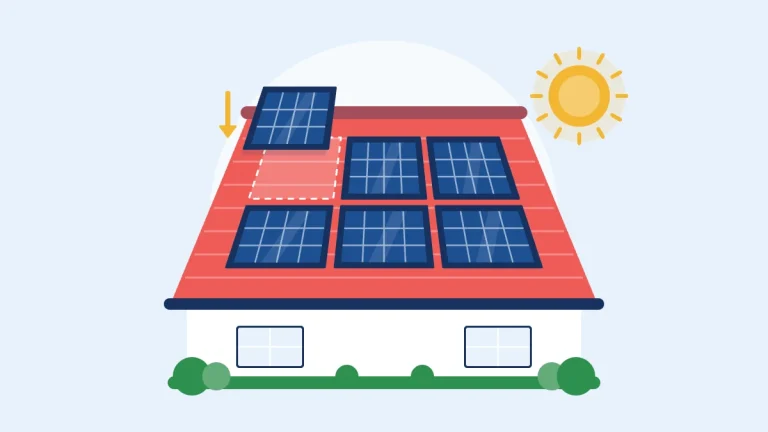
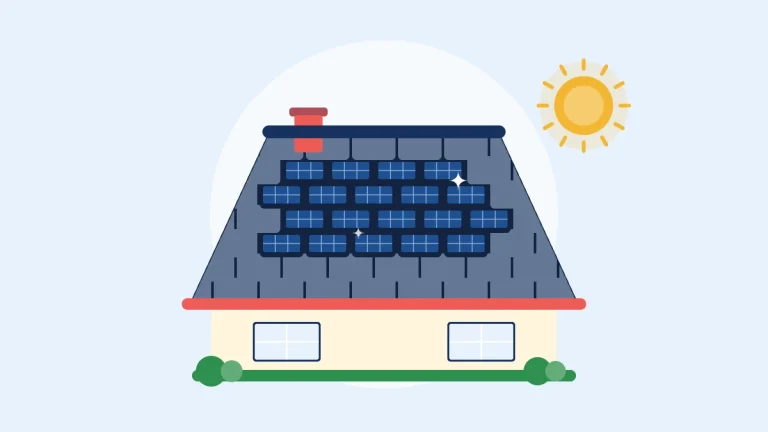
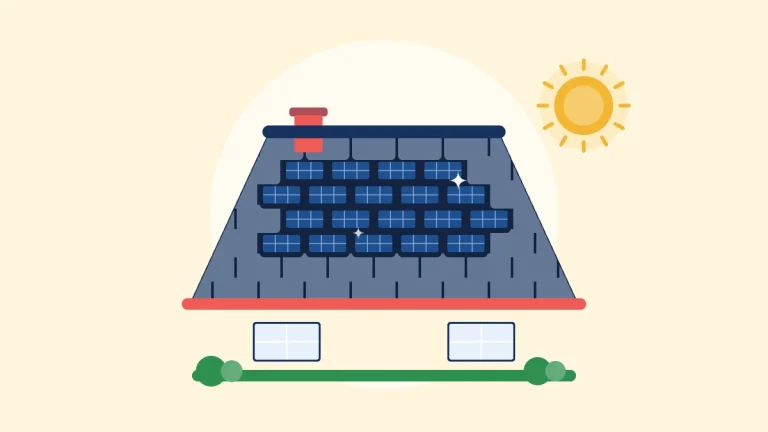
Rooftop solar panels are the use most people think of first. A home system produces electricity during the day for everything in the house, sends any extra to the grid and draws from the grid when needed. See how solar energy works.
Community solar
In states that allow it, people who can’t put panels on their own roof, such as renters or homeowners with shaded roofs, can subscribe to a share of a nearby solar farm and receive credits on their electric bill.
Utility-scale solar farms
Large solar farms with thousands of panels sell power directly to the grid. They produce electricity at a lower cost per kWh than rooftop systems because of their size, and they’re a growing share of the power supply in many states.
Heating water
Solar water heaters use rooftop collectors to warm household water directly, without making electricity. They typically cut water heating bills by 50% to 80%, according to the Department of Energy, though heat pump water heaters now compete strongly on cost.
Heating pools
Solar pool heaters circulate pool water through collectors that the sun warms. They’re one of the most cost-effective solar uses, with low running costs and a payback the Department of Energy estimates at 1 to 7 years.
Heating and lighting buildings (passive solar)
Passive solar design uses the building itself to collect and hold the sun’s heat: south-facing windows, overhangs that block high summer sun, and materials like stone, brick or concrete that store warmth. Daylighting with well-placed windows and skylights reduces the need for electric lights.
Charging electric vehicles
Many EV owners pair their car with rooftop solar. Charging during the middle of the day, or storing solar power in a home battery for evening charging, means driving on power from your own roof. Solar carports do the same at offices and parking lots.
Portable and off-grid power
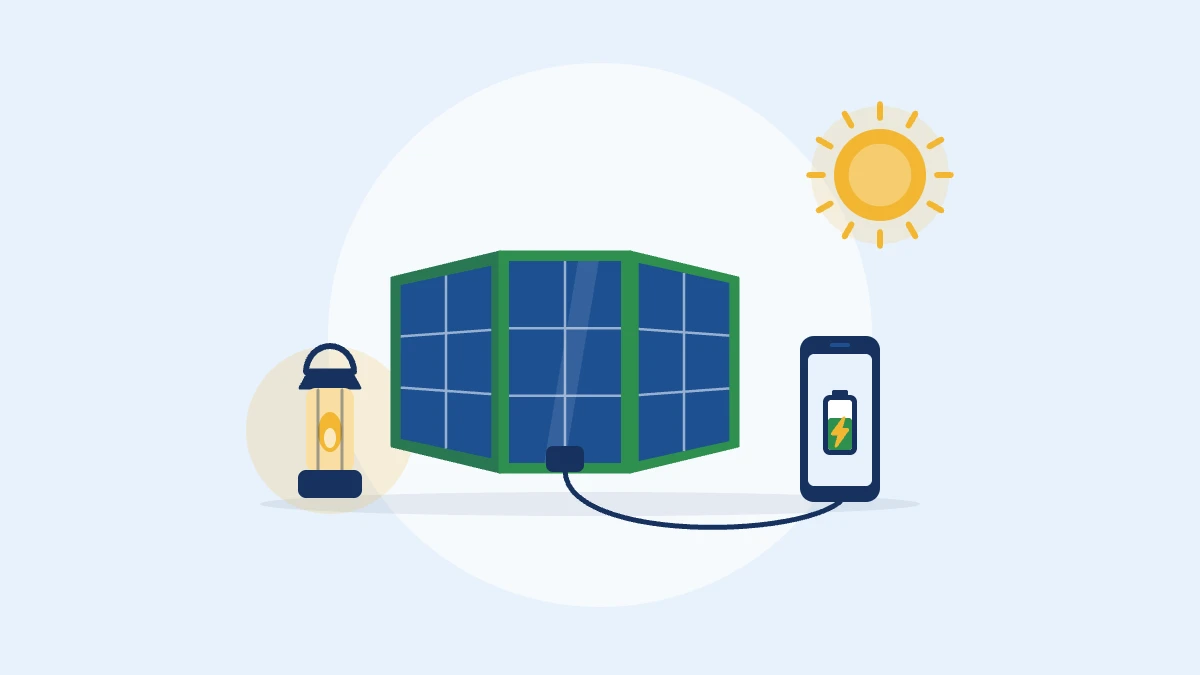
Folding solar panels charge phones and power banks on camping trips, and larger panels recharge portable power stations. RVs, boats, cabins and remote equipment like weather stations and road signs often run on solar with batteries. See RV solar and solar phone chargers.
Outdoor lights and small devices
Garden and path lights, security cameras, doorbells, calculators and garden fountains often have small built-in panels. They’re convenient where running wires would be difficult.
Water pumping and purification
In rural areas around the world, solar panels power pumps for drinking water, livestock and irrigation. Solar energy also runs water purification systems in places without reliable grid power.
Farming alongside solar (agrivoltaics)
Some solar farms are designed so crops can grow or animals can graze under and between the panels. The partial shade can help certain crops in hot, dry climates.
Transportation and aviation
Solar-powered vehicles remain mostly experimental, but they’ve set some remarkable records. Solar Impulse 2, a plane powered only by the sun, flew nonstop from Nagoya, Japan, to Hawaii in 2015, a trip of nearly 118 hours, and completed a flight around the world in July 2016.
Space
Solar power has run satellites since Vanguard 1 launched in 1958. Today it powers most spacecraft that operate in the inner solar system, as well as the International Space Station.