
What Types of Electric Meters Are Used with Solar Panels?
Most solar homes use a bidirectional (net) meter that records power coming from the grid and power sent back to it.
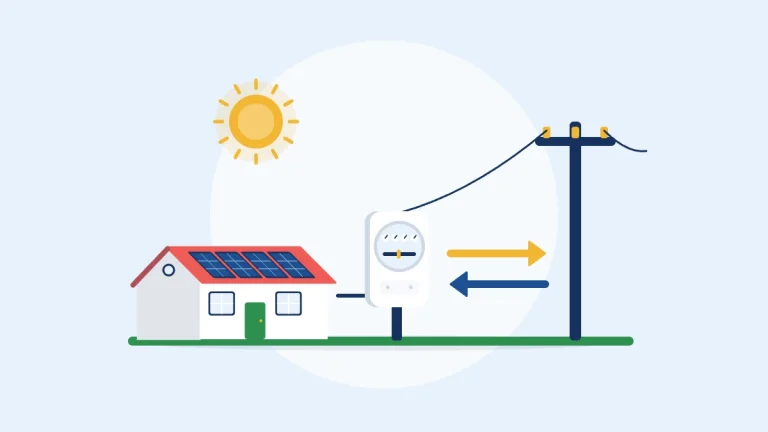
Most solar homes use a bidirectional (net) meter that records power coming from the grid and power sent back to it.
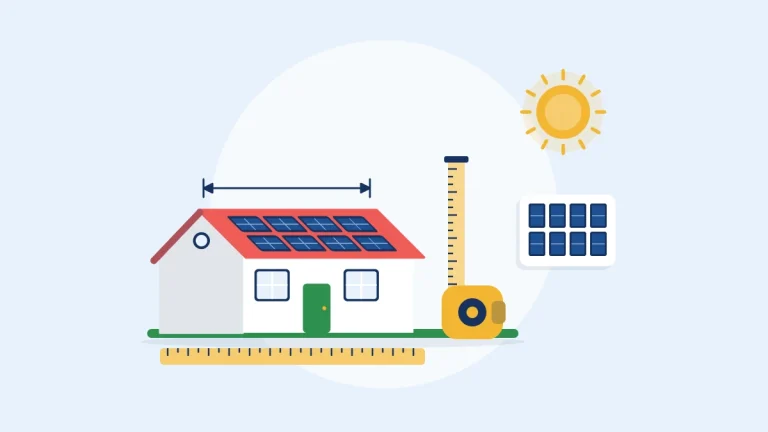
A 1,500 square foot house usually needs somewhere around 12 to 24 solar panels, with 14 to 19 being common.
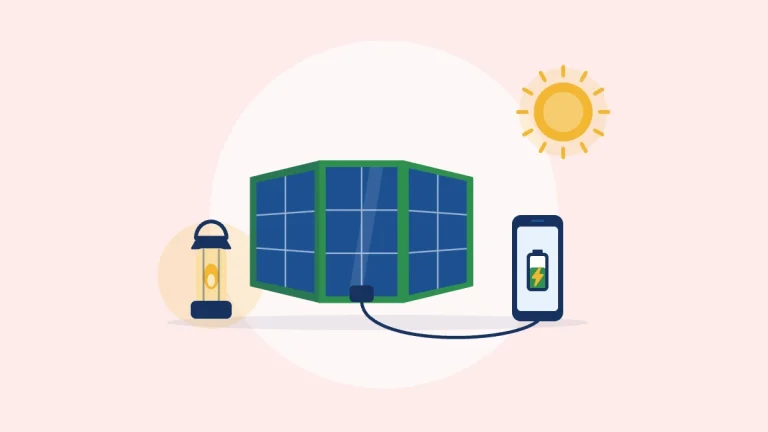
Good solar-powered gifts include folding solar phone chargers, solar lanterns, portable solar cookers, solar showers, solar path lights, solar chargers for video doorbells and cameras, and solar science kits for kids.
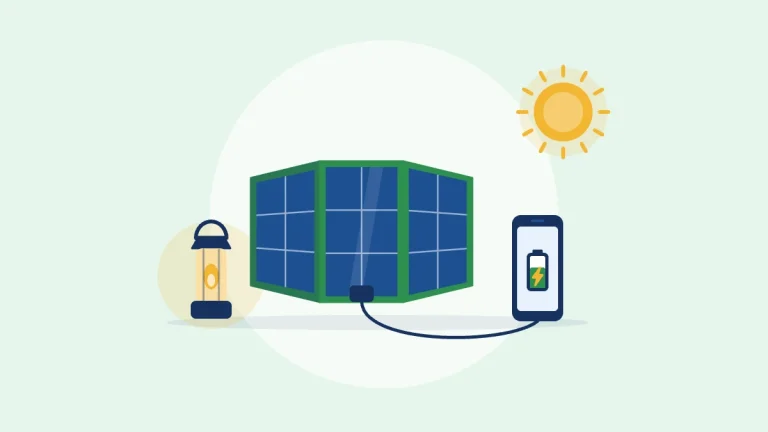
For most people, a folding solar panel of about 20 to 30 watts with USB-C, paired with a regular power bank, works best.
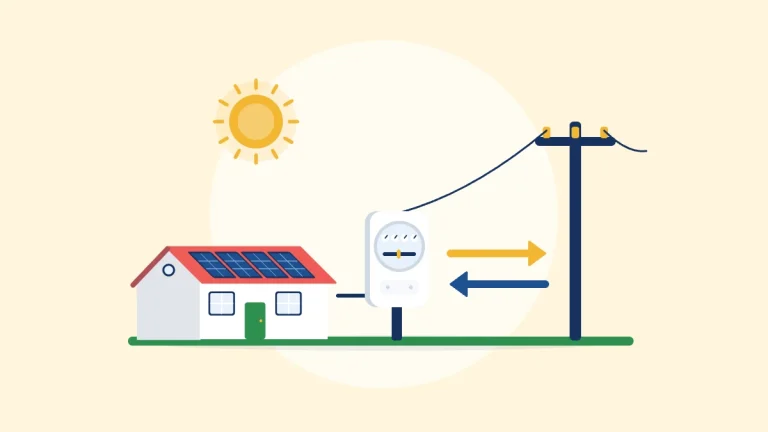
Mostly through lower electric bills. Some utilities credit or pay you for power you send to the grid, and a few states pay for the solar energy you produce or for letting your battery help the grid, but big checks from the utility are rare.
Solar power produces no emissions while running and, over its whole life cycle, roughly 41 to 48 grams of CO2 per kWh, compared with about 490 for natural gas and 820 for coal.
The most efficient residential panels in 2026 are about 24% to 25% efficient, led by back-contact and heterojunction designs from makers like Aiko, Recom and LONGi.

Free solar panels don’t really exist. “Free solar” offers are almost always leases, power purchase agreements or $0-down loans.