
Solar Water Heaters Explained: Are They Worth It?
A solar water heater typically costs around $3,700 to $4,000 installed and can cut water heating bills by 50% to 80%, according to the Department of Energy.
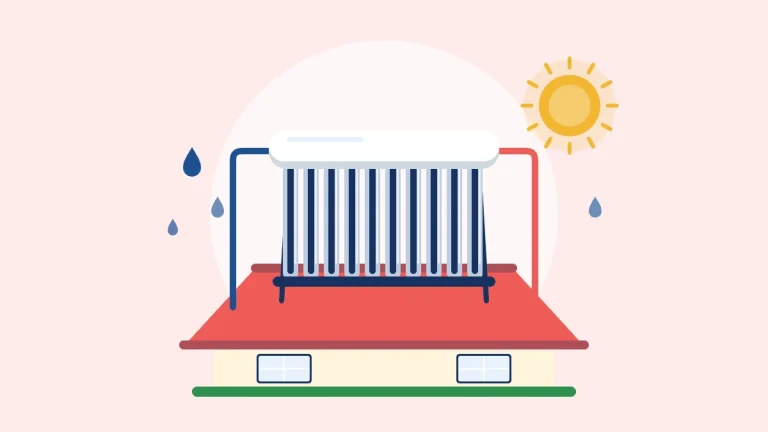
A solar water heater typically costs around $3,700 to $4,000 installed and can cut water heating bills by 50% to 80%, according to the Department of Energy.
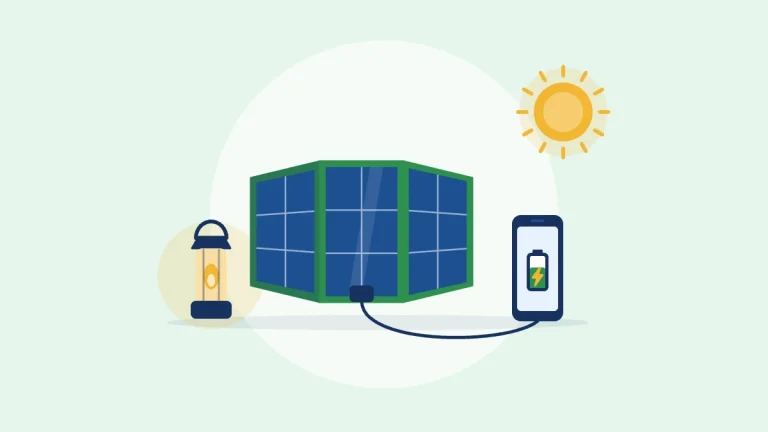
For most people, a folding solar panel of about 20 to 30 watts with USB-C, paired with a regular power bank, works best.
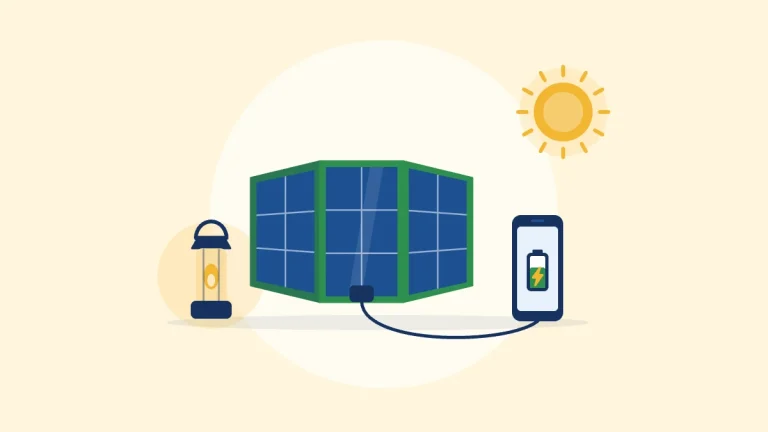
They’re worth it for convenience, not savings. Solar Christmas lights are great where there’s no outlet or you don’t want extension cords, but plug-in LED lights already cost only pennies per season to run, and weak winter sun can leave solar strands dim or short-lived.

Often, but not always. A home battery (typically about $15,650 installed for 13.5 kWh) tends to pay off when your utility pays little for exported solar, uses time-of-use rates, pays you to share the battery, or when outages are common.
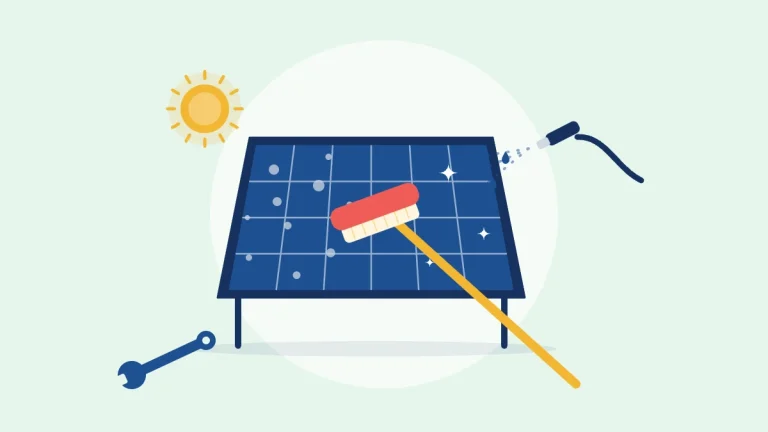
Very little in most years. Solar panels rarely need more than an occasional cleaning and inspection, which typically cost $150 to $500 per visit when you hire someone.

Most home solar systems bought in 2026 pay for themselves in roughly 9 to 12 years, though it can be much faster or slower.
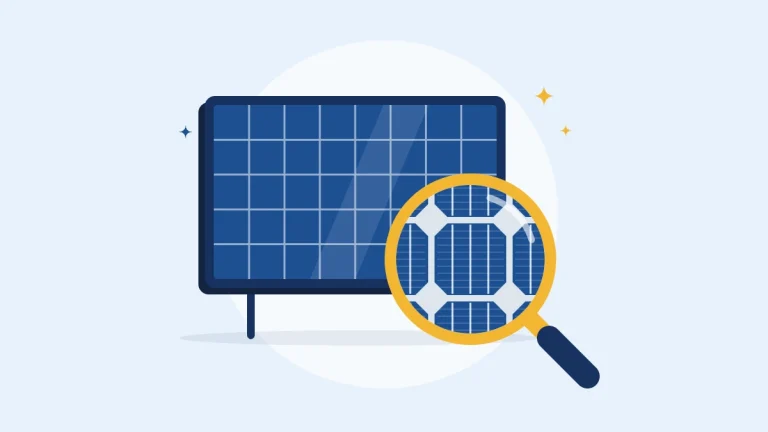
Monocrystalline. Polycrystalline panels have essentially disappeared from the market because monocrystalline panels became just as cheap to make while staying more efficient.
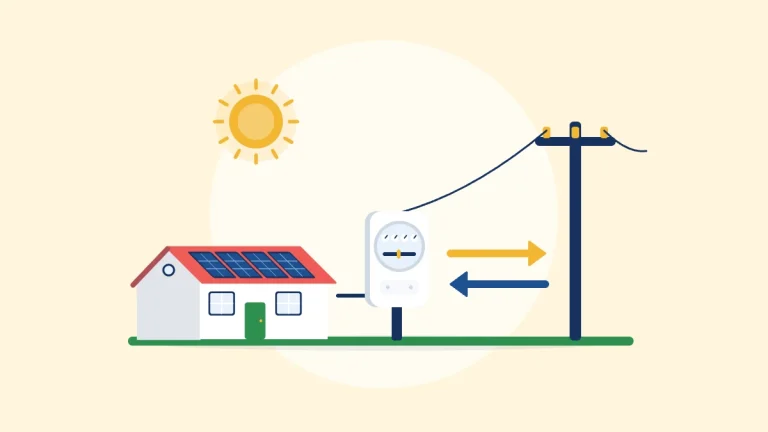
Mostly through lower electric bills. Some utilities credit or pay you for power you send to the grid, and a few states pay for the solar energy you produce or for letting your battery help the grid, but big checks from the utility are rare.
Start with your electric bills. Knowing your yearly usage and what you pay per kWh lets you size a system and judge quotes.

Solar power produces no emissions while running and, over its whole life cycle, roughly 41 to 48 grams of CO2 per kWh, compared with about 490 for natural gas and 820 for coal.