What Is Solar Energy?
Quick answer: Solar energy is the light and heat from the sun. We capture it mainly with solar panels, which turn sunlight into electricity, and with solar thermal collectors, which turn it into heat. The sunlight reaching Earth in about an hour and a half carries as much energy as the whole world uses in a year.
Solar energy is the light and heat that reach us from the sun. Almost every other energy source on Earth traces back to it in some way: plants store it through photosynthesis, fossil fuels are ancient plant matter, and the sun’s heat drives wind and the water cycle behind hydropower. When people talk about solar energy, though, they usually mean capturing sunlight directly to make electricity or heat.
How much solar energy reaches Earth?
An enormous amount. Roughly 174 petawatts of solar power reach the top of Earth’s atmosphere. About 30% of that is reflected back to space by clouds, ice and other bright surfaces, and the rest is absorbed by the air, oceans and land.
A 2005 US Department of Energy report found that the sunlight striking Earth in one hour carried more energy than the whole world used in a year at the time. World energy use has grown since then, to about 600 exajoules in 2025, so today it’s closer to an hour and a half of sunlight. Either way, the resource is vastly larger than our needs. The challenge is capturing it cheaply and having power when the sun isn’t shining.
Ways we use solar energy
Solar photovoltaics (PV)
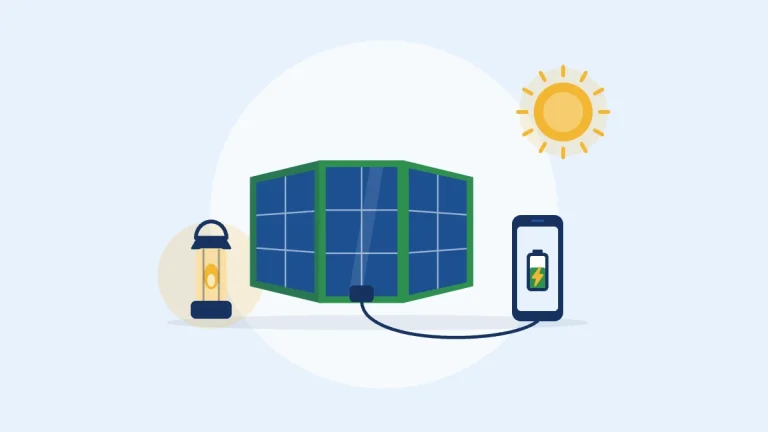
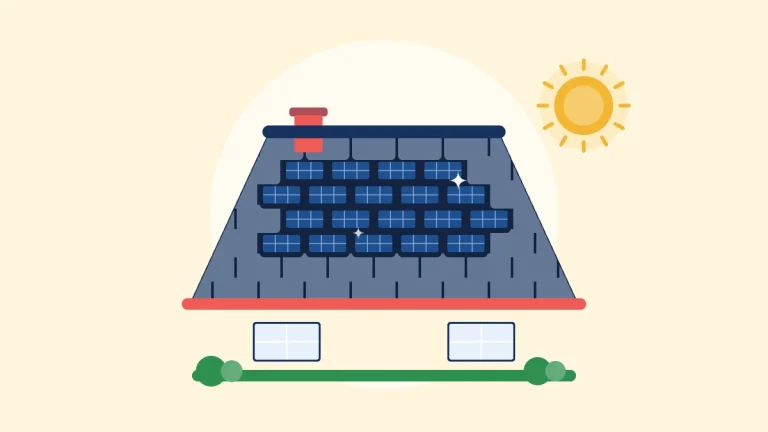
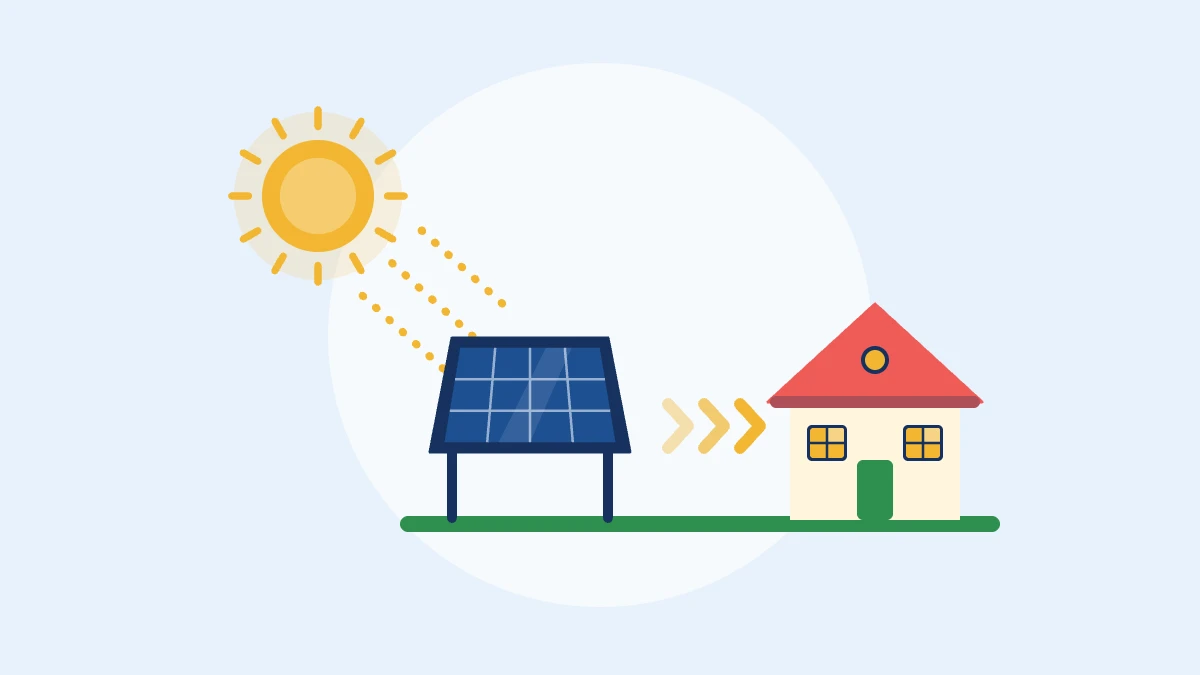
Solar panels use the photovoltaic effect to turn sunlight directly into electricity. This is what people usually mean by “going solar.” The name comes from “photo” (light) and “voltaic” (electricity). See how solar energy works.
Solar thermal
Solar thermal systems capture sunlight as heat instead of electricity. At home, that usually means solar water heaters or pool heaters. On a large scale, concentrating solar power plants use mirrors to focus sunlight, heat a fluid such as molten salt, and run a steam turbine.
Passive solar design
Buildings can be designed to use sunlight without any equipment at all: south-facing windows that let in low winter sun, overhangs that block high summer sun, and heavy materials like stone or concrete that store heat during the day and release it at night.
Is solar energy clean?
Solar panels produce no emissions while they run. They do have a footprint from manufacturing, installation and eventual disposal, but it’s small over their lifetime. The IPCC’s median estimate for rooftop solar is about 41 grams of CO2 per kWh over its life cycle, compared with about 490 grams for natural gas and 820 for coal. The average US grid produced about 0.8 pounds, or roughly 360 grams, of CO2 per kWh in 2024, so each kWh of solar that replaces grid power avoids a meaningful amount of emissions. See the environmental benefits of solar.
The limitations
- It’s not available at night and drops on cloudy days and in winter. Solar panels produce power only when light reaches them, not whenever it’s needed.
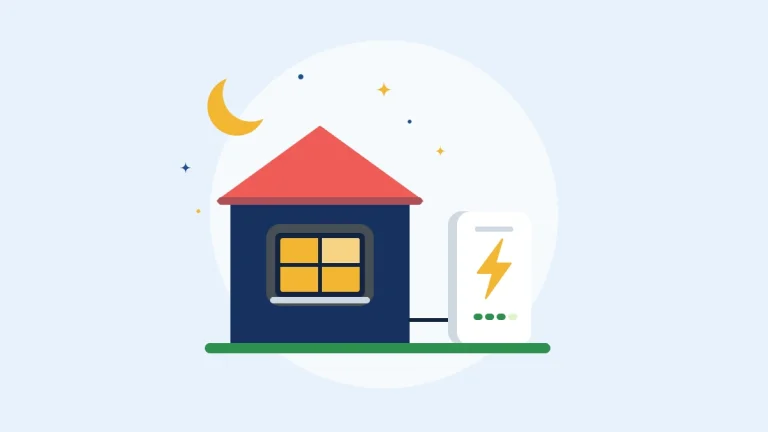
- Storage costs money. Batteries can shift solar power into the evening, but they add cost. See solar batteries.
- It needs space. Rooftops work well for homes. Large solar farms take up land.
- Output depends on location. Sunny, clear places produce much more per panel than cloudy ones.
Solar energy is renewable
The sun is about 4.6 billion years old and has roughly 5 billion years left, according to NASA. Using sunlight doesn’t use it up. See is solar energy renewable for more on what that means.