Solar Shingles Explained: How Much Do Solar Shingles Cost?
Quick answer: Solar shingles typically cost about $21 to $25 per square foot installed, or roughly $3.50 to $8 per watt, well above the $2.60 per watt average for regular solar panels. They look better on some homes but cost more, produce less per square foot, and have fewer makers after Tesla and others exited.
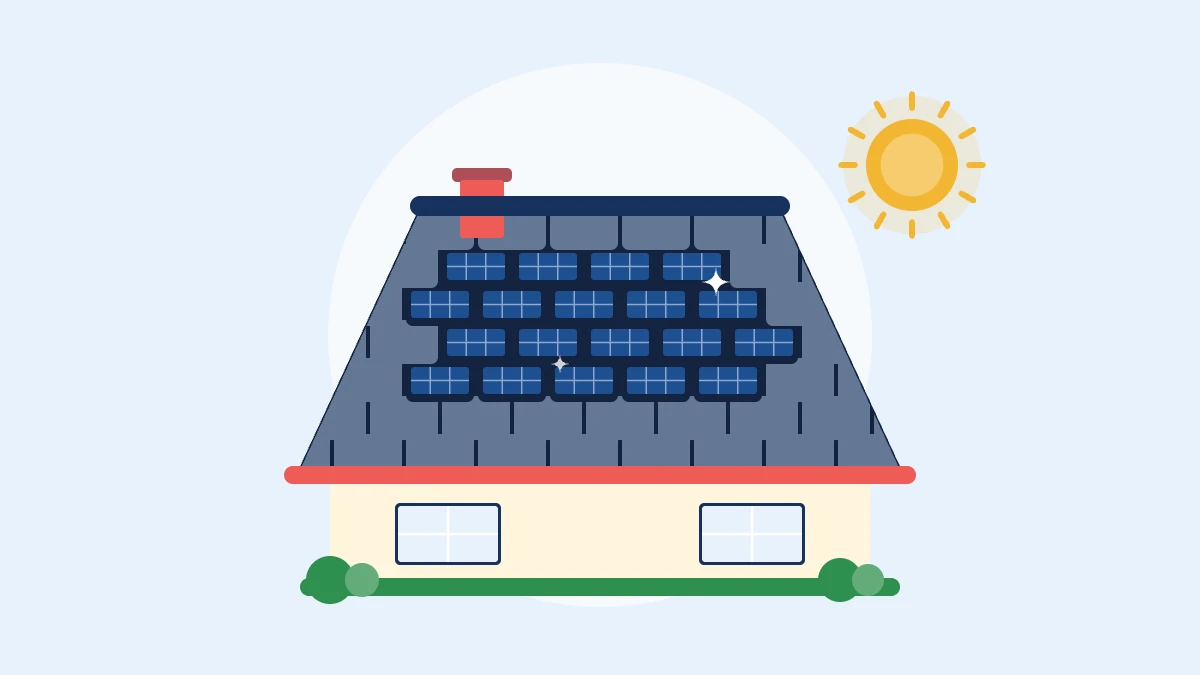
Solar shingles, also called solar roofing or building-integrated solar, are roofing products with solar cells built in. Instead of panels mounted on racks above the roof, the solar shingles are part of the roof itself. They appeal to people who want solar without the look of panels, but they cost more and the market is smaller and less stable than for regular panels.
How solar shingles work
Each shingle or tile contains a small strip of silicon solar cells that works like a miniature solar panel. The shingles are wired together, and the power runs to an inverter just like a panel system. Depending on the product, solar shingles are either installed alongside regular asphalt shingles on part of the roof or used as part of a full roof system with matching non-solar pieces.
Because each piece is small, a solar shingle roof has far more electrical connections than a panel system. That’s one reason installation takes longer and needs specially trained crews.
How much do solar shingles cost?
Solar shingles cost considerably more than conventional panels:
- Angi’s July 2026 cost guide puts solar shingles at about $21 to $25 per square foot installed, with an average project around $35,000.
- Fixr estimates $3.50 to $8.00 per watt installed.
- For comparison, conventional solar panels average about $2.60 per watt before incentives in EnergySage’s September 2026 data.
The comparison is fairest if you need a new roof anyway, because solar shingles replace part of the roofing material you’d otherwise pay for. Even then, a new conventional roof plus standard panels usually costs less for the same amount of solar power. The 30% federal tax credit, which covered the solar portion of these roofs, ended for installations completed after 2025.
Who makes solar shingles in 2026?
The market has shrunk and shifted in the past few years:
- GAF Energy Timberline Solar is still sold. It’s designed to be installed by roofers alongside GAF asphalt shingles. GAF Energy closed its California manufacturing facility in late 2025 and now makes the product in Texas.
- CertainTeed sells the Solstice Shingle. Its older Apollo II product has been discontinued.
- Luma Solar lists solar roofing products, though availability appears limited.
- Tesla stopped selling its Solar Roof in August 2026. See what happened to the Tesla Solar Roof.
- SunTegra shut down in October 2025, and Hanergy, which once marketed solar tiles in the US, has effectively left the market.
With a product meant to last 25 years or more, the maker’s staying power matters. Ask any installer who stands behind the warranty and how replacement shingles would be sourced.
Solar shingles versus solar panels
| Solar shingles | Solar panels | |
|---|---|---|
| Look | Blends into the roof | Visible, though all-black panels look cleaner |
| Cost per watt | Much higher | Lower |
| Output per square foot | Usually lower | Higher, and panels run cooler with air underneath |
| Installers | Fewer, specially trained | Widely available |
| Repairs | Can be harder and slower | Panels can be swapped individually |
| Best timing | When you’re replacing the roof anyway | Any time the roof has plenty of life left |
Things to check before buying
- Whether your roof’s pitch and orientation suit the product.
- Production estimates compared with a conventional panel system on the same roof.
- The roofing warranty and the solar warranty, and who handles each.
- Whether your homeowners insurance treats the system as part of the roof.
- How many local installers are certified for the product.
For most homeowners, conventional panels are the better value. Solar shingles make the most sense when appearance is a top priority, the roof needs replacing anyway, and there’s a reliable local installer. If weight is your concern, see how much solar panels weigh.