How Much Does It Cost to Maintain Solar Panels?
Quick answer: Very little in most years. Solar panels rarely need more than an occasional cleaning and inspection, which typically cost $150 to $500 per visit when you hire someone. The biggest expense to plan for is replacing a string inverter, usually $1,000 to $3,000 once during the system’s life.
Solar panels have no moving parts, so there isn’t much to maintain. Most of the long-term cost of owning a system comes from a few predictable items, mainly the inverter, rather than routine upkeep.
What maintenance a solar system actually needs
- Keeping an eye on production. Most systems come with an app or web portal. A sudden drop in output is usually the first sign something is wrong.
- Occasional cleaning, mainly in dry, dusty areas or places with lots of pollen, bird droppings or ash. Rain handles most of it elsewhere.
- A periodic inspection of wiring, mounts and roof penetrations, especially after major storms.
- Replacing the inverter once during the system’s life, in many cases.
Typical costs
| Item | Typical cost | How often |
|---|---|---|
| Professional cleaning | $150 to $500 per visit | Only when needed; many homes rarely need it |
| Inspection or maintenance visit | $150 to $350 | Every few years, or after storms |
| String inverter replacement | Usually $1,000 to $3,000 | Often once, around years 10 to 15 |
| Monitoring | Usually included | Ongoing |
Cleaning and inspection ranges are from HomeGuide and Angi’s 2026 cost guides. Angi estimates total routine maintenance at a few hundred dollars a year when you use professional services, but many owners spend much less because their panels rarely need attention.
Cleaning
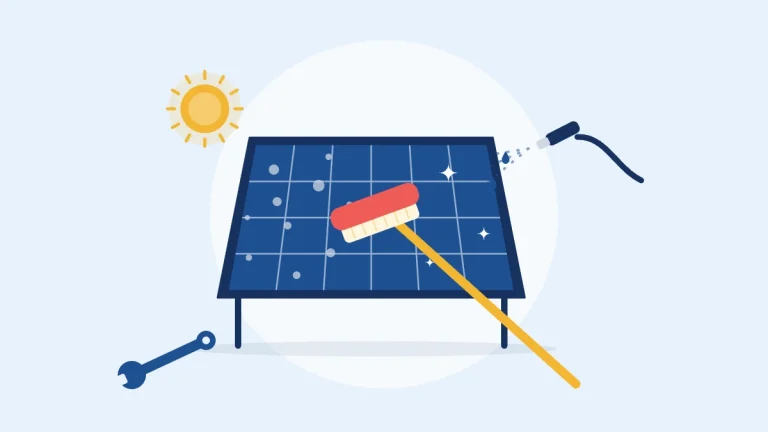
You don’t need to clean solar panels monthly, and most homeowners don’t need to clean them on any schedule. Rain washes off ordinary dust. Cleaning is worth it when you can see a buildup of dirt, pollen or droppings, or when your monitoring shows output dropping without another explanation.
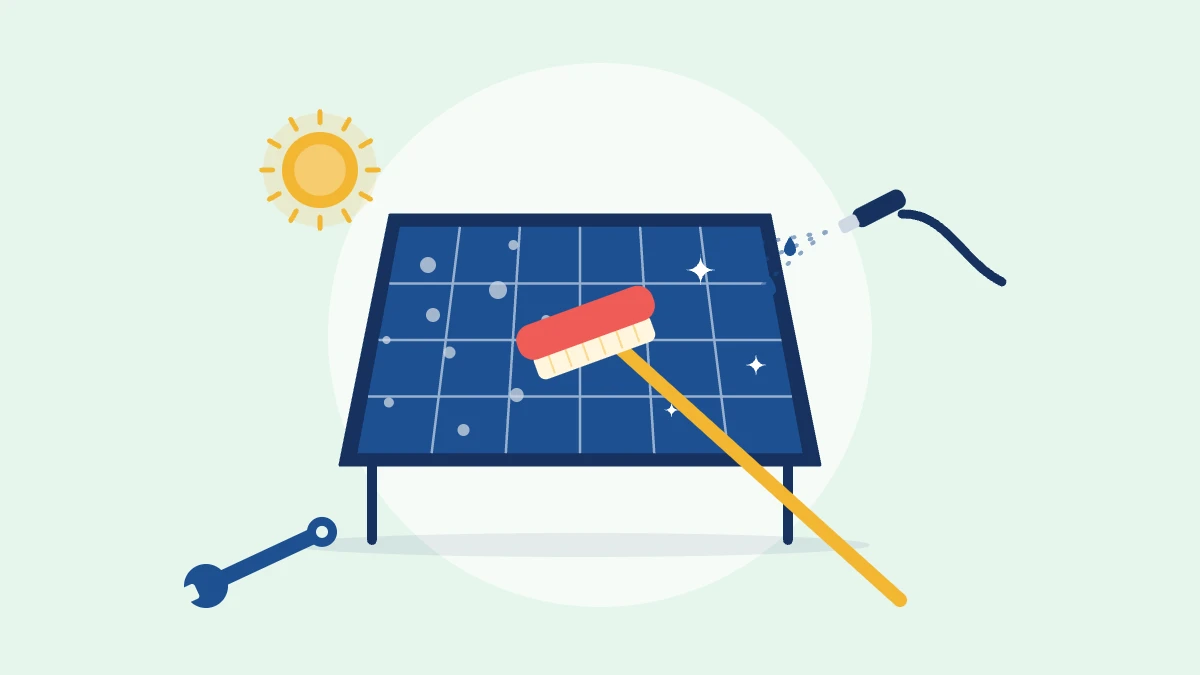
If you do clean them, use plain water and a soft brush, never a pressure washer or abrasive tools, and check your panel manufacturer’s instructions first. Cleaning panels on a roof is a fall risk, so hiring someone is often the better choice. Our guide on how to clean solar panels on a roof covers the details.
Inspections
An inspection checks for loose wiring or connectors, damaged panels, corrosion, loose mounting hardware, and roof leaks around the attachments. Some installers include a first-year check. After that, every few years is reasonable, plus a look after hail, high winds or heavy snow.
The inverter is the big one
Panels usually carry 25-year warranties, but string inverters typically carry 10 to 12. When a string inverter fails, the whole system stops producing until it’s replaced, which usually costs $1,000 to $3,000 installed. Microinverters, which sit under each panel, typically come with 25-year warranties, so a single failure affects only one panel and is often covered. Our article on solar inverters explains the trade-offs.
Other things that can cost money
- Pest guards. Squirrels and birds sometimes nest under panels and chew wiring. Mesh guards around the array are an inexpensive fix.
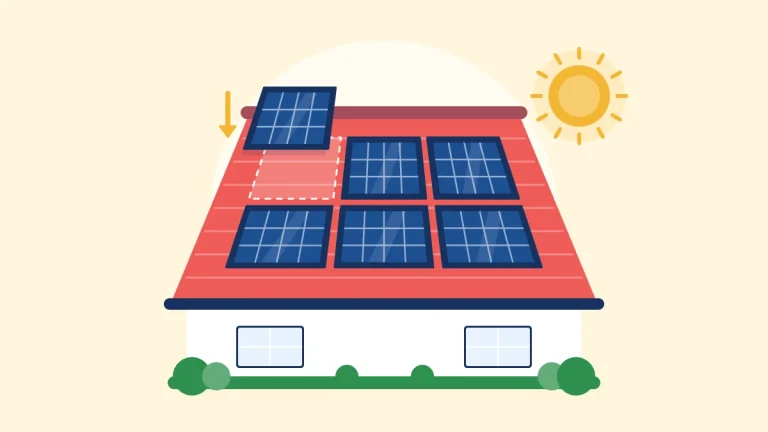
- Roof work. If the roof needs repairs or replacement, the panels have to come off and go back on, which installers charge for separately.
- Batteries. Home batteries need little maintenance, but they wear out over time. Most carry 10- to 15-year warranties. See how long solar batteries last.
- Storm damage. Panel warranties cover manufacturing defects, not hail or falling trees. That’s a homeowners insurance question, so make sure your policy covers the system.
How to keep maintenance costs low
- Choose an installer that offers a solid workmanship warranty (10 years or more is common) and is likely to be around to honor it.
- Register your equipment warranties and keep the paperwork.
- Check your monitoring app every month or so.
- Budget for one inverter replacement if you have a string inverter.