
Monocrystalline or Polycrystalline Solar Panels: Which Is Better?
Monocrystalline. Polycrystalline panels have essentially disappeared from the market because monocrystalline panels became just as cheap to make while staying more efficient.
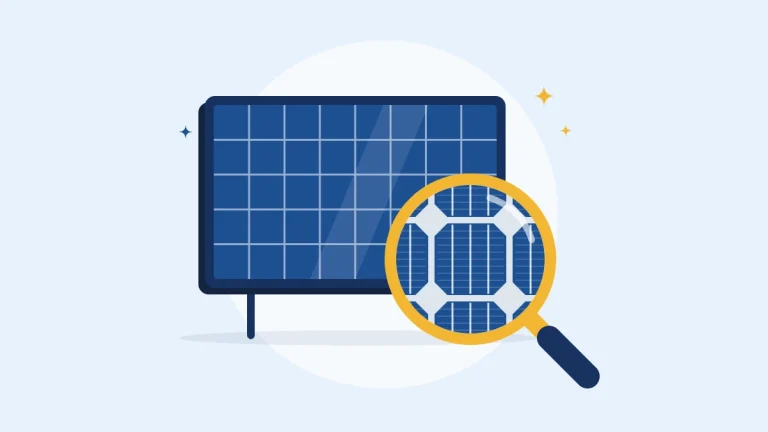
Monocrystalline. Polycrystalline panels have essentially disappeared from the market because monocrystalline panels became just as cheap to make while staying more efficient.

Yes. Solar panels with a large battery bank, and usually a backup generator, can power a home with no utility connection.
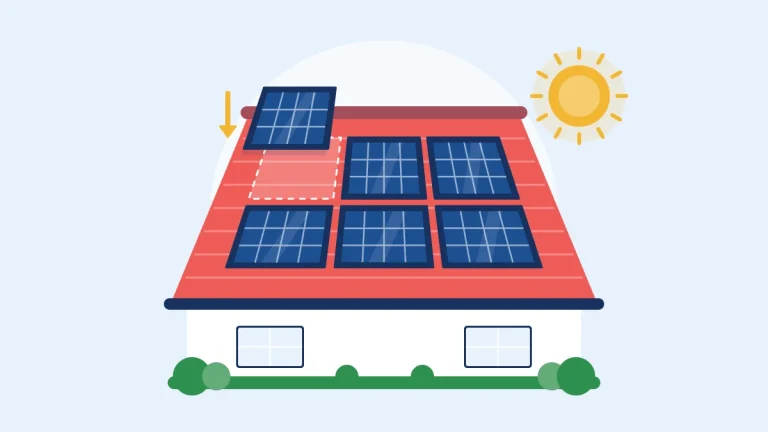
Owned solar panels usually add value. Studies have found premiums of around 4% (Zillow, 2019) or about $4 per watt of solar (Berkeley Lab, 2015).
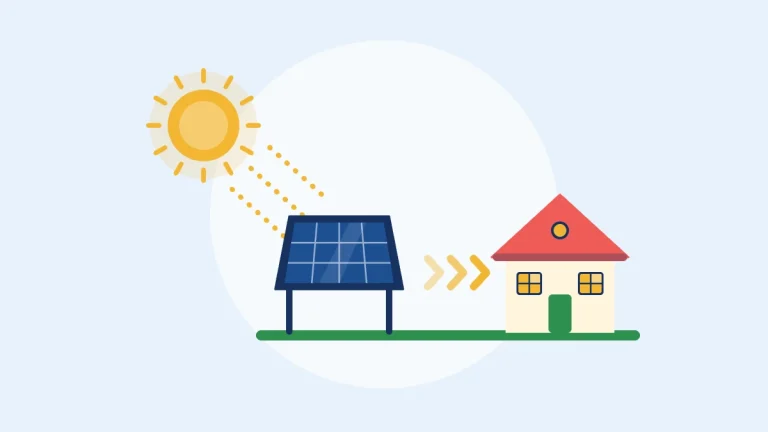
Solar energy is the light and heat from the sun.
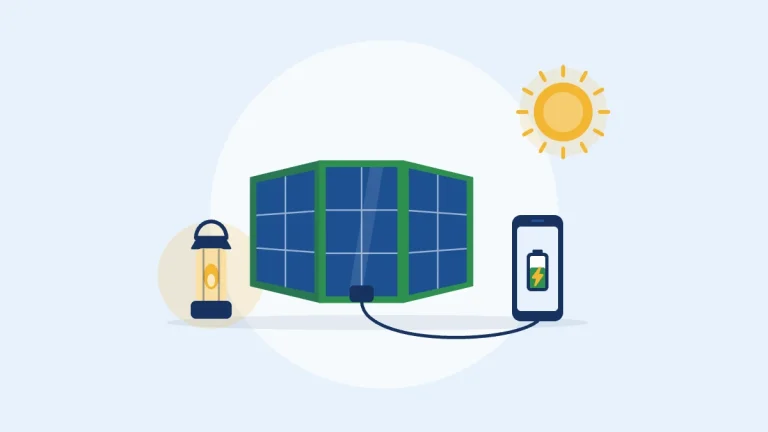
Solar energy is used to make electricity for homes, businesses and the grid, to heat water and swimming pools, to heat and light buildings through passive design, and to power everything from phones and RVs to water pumps, satellites and experimental aircraft.
Yes. Sunlight is continuously replenished and using it doesn’t reduce what arrives tomorrow, so solar energy is fully renewable.
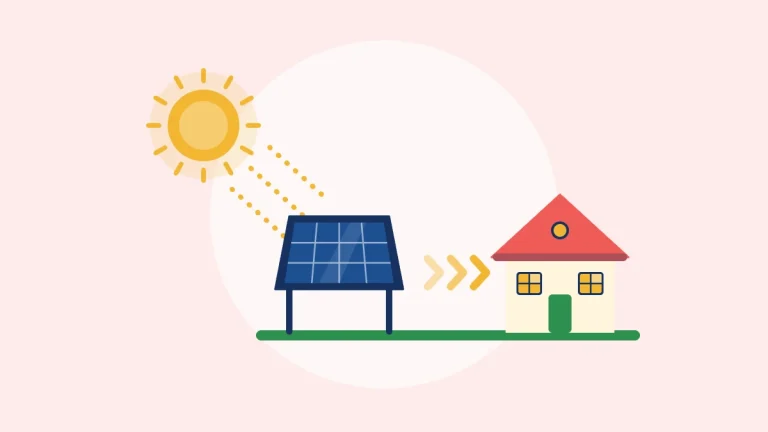
Solar panels are made of silicon cells. When sunlight hits them, it knocks electrons loose, and an electric field built into each cell pushes those electrons into a current.

The 30% federal tax credit for homeowners ended for systems installed after December 31, 2025.

Home solar averages about $2.60 per watt before incentives in 2026, based on EnergySage marketplace data.

It depends mostly on your electricity rate and how your utility credits the power you send back to the grid.