How Many Solar Panels Do I Need for a 1,500 Sq Ft House?
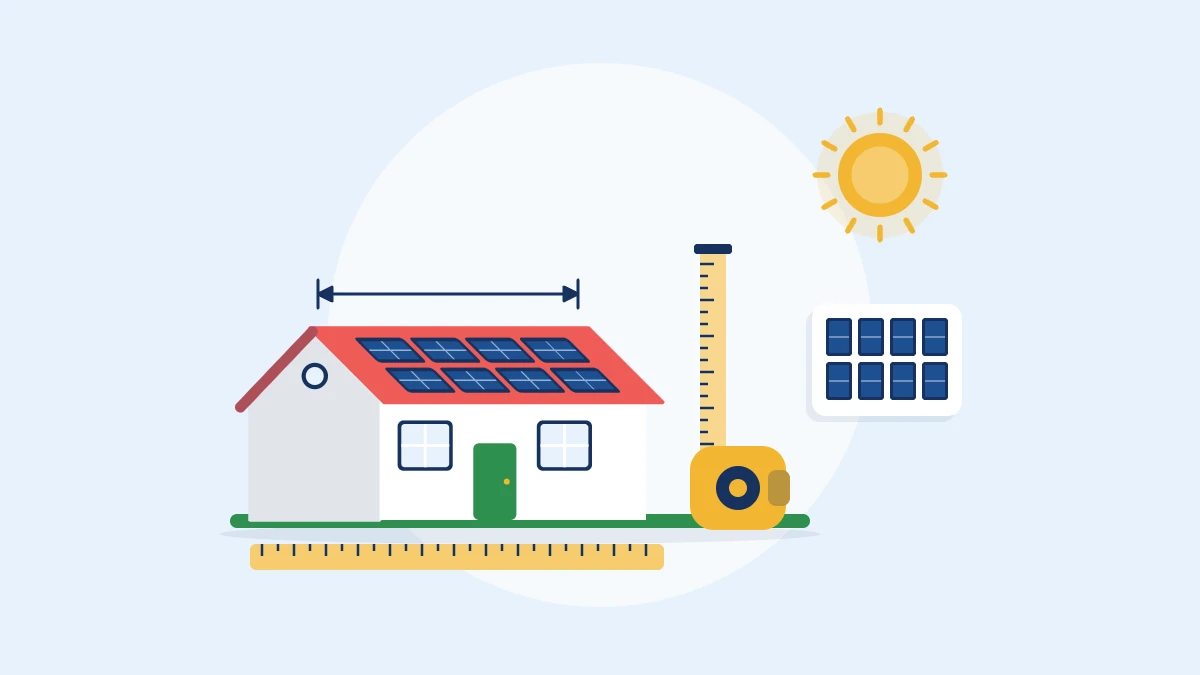
Quick answer: A 1,500 square foot house usually needs somewhere around 12 to 24 solar panels, with 14 to 19 being common. The real answer depends on how much electricity you use and how much sun you get, not the square footage itself.
Square footage is a common starting point, but it’s a rough one. Two 1,500 square foot houses can use very different amounts of electricity depending on the climate, whether they heat with gas or electricity, the number of people living there and whether there’s an electric car in the garage. Your electric bills tell you far more than the size of the house.
A typical range for a 1,500 sq ft house
For illustration, here’s how 8,000 and 11,000 kWh a year translate into panels, assuming 420-watt panels. (The average US home uses about 10,400 kWh a year, and all-electric homes in hot or cold climates can use much more.)
| Yearly use | Cloudier area (1 kW makes about 1,100 kWh) | Average area (about 1,400 kWh) | Sunny area (about 1,700 kWh) |
|---|---|---|---|
| 8,000 kWh | About 18 panels (7.3 kW) | About 14 panels (5.7 kW) | About 12 panels (4.7 kW) |
| 11,000 kWh | About 24 panels (10 kW) | About 19 panels (7.9 kW) | About 16 panels (6.5 kW) |
At those usage levels, a 1,500 sq ft house would need somewhere between 12 and 24 panels, with around 14 to 19 in average conditions.
How to work out your own number
- Add up the kWh on your last 12 electric bills.
- Find out how much 1 kW of panels produces per year at your address using NREL’s free PVWatts calculator.
- Divide your yearly use by that number to get the system size in kW.
- Multiply by 1,000 and divide by the panel wattage to get the number of panels.
Our full guide on how many solar panels you need goes through each step with more examples.
What it might cost
Based on EnergySage’s September 2026 marketplace averages before incentives, a 6 kW system runs about $16,000, an 8 kW system about $21,000, and a 10 kW system about $25,800. For most 1,500 sq ft homes, that puts a system somewhere around $15,000 to $26,000. The 30% federal tax credit for homeowners ended for systems installed after 2025, so these numbers are close to what you’d pay unless a state or utility program applies. See how much solar panels cost for more detail.
Will the panels fit?
A typical 420-watt panel is about 68 by 45 inches, roughly 21 square feet. Sixteen panels take up about 340 square feet of roof, plus space for fire-code pathways and setbacks. A 1,500 sq ft single-story house often has enough south, east or west-facing roof for that. Two-story homes of the same size have a smaller roof, and shade from trees can cut usable space further.
Grid-tied, battery or off-grid?
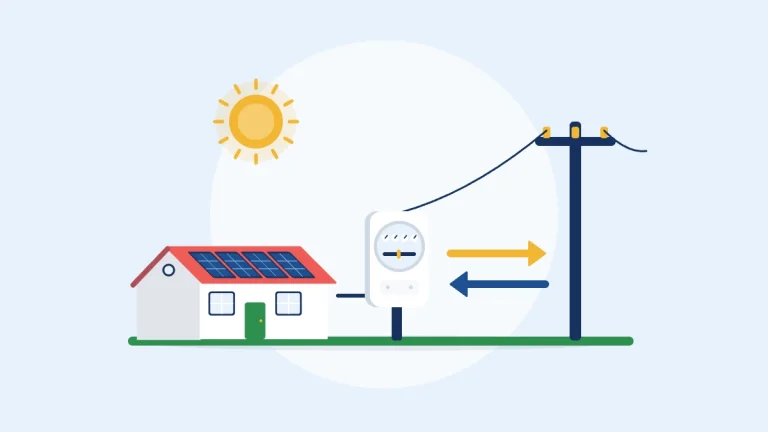
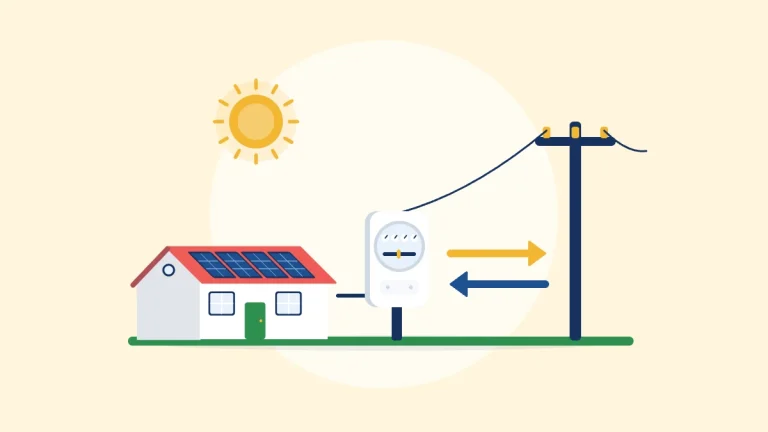
- Grid-tied systems are the most common and the least expensive. When the panels aren’t producing enough, you draw power from the grid.
- Grid-tied with a battery adds backup power during outages and helps where your utility pays little for exported power. A typical 13.5 kWh battery adds about $15,650, based on EnergySage’s July 2026 data.
- Off-grid systems need a larger array, a large battery bank and usually a generator for long cloudy stretches. They’re much more expensive and mostly make sense where connecting to the grid isn’t practical. See going off-grid with solar.
Things that change the answer
- Electric heating, cooling or water heating can double a home’s usage.
- An electric vehicle typically adds a few thousand kWh a year, depending on how much you drive.
- Your utility’s export rules. Under net billing, a slightly smaller system that matches your daytime use can be better value than covering 100% of your usage.
- Roof direction and shade. An east- or west-facing roof produces less than a south-facing one, so you’d need a few more panels.